
NDIS mentoring and life skills development
Mentoring is where Esteem Mentoring began. We provide one-to-one NDIS mentoring and life skills development for adults aged 18 to 65 across Moreton Bay and Brisbane. A consistent mentor works with you on the practical skills and confidence you need to live more independently.
Reviewed by Jay Pickering, Founding Director | Updated October 2026

What NDIS mentoring looks like with us
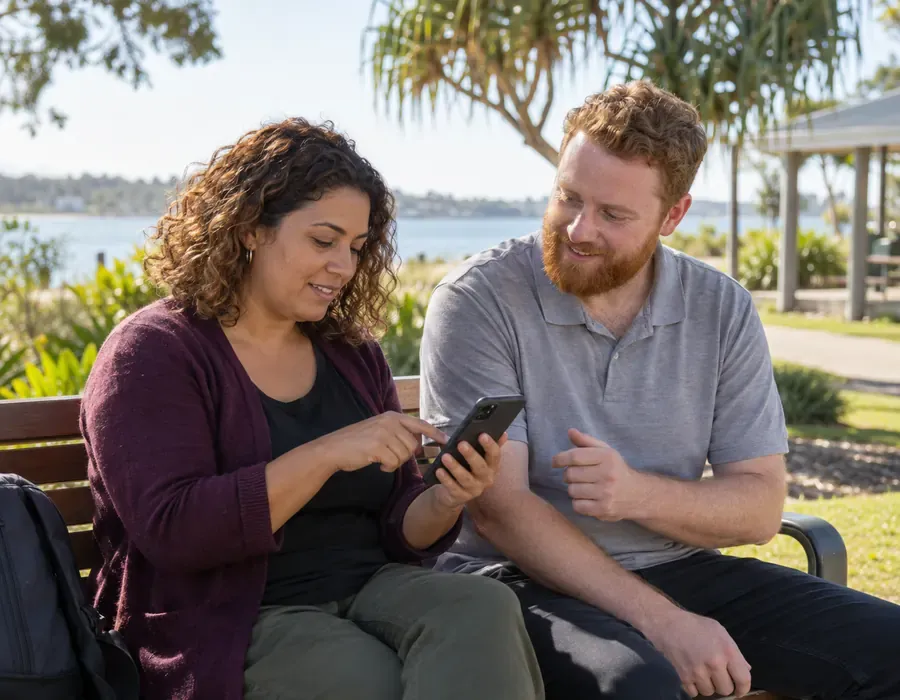
A mentor is someone in your corner who is not a family member, a boss or a therapist. They help you set goals that mean something to you, then work on them with you, one week at a time. Sometimes that is cooking a meal from start to finish. Sometimes it is a hard conversation about friendships, or working out how to get to a job interview on time.
Mentoring works best when there is trust. That is why we put so much effort into matching, and why our mentors stay with the people they support for the long haul wherever possible.
Skills we can work on together
- planning meals, shopping on a budget and cooking
- keeping a home clean and organised
- managing money, bills and a weekly budget
- using a calendar, phone reminders and routines
- getting ready for study, volunteering or work
- building friendships and handling conflict
- managing emotions and stress, using strategies from your therapists
- personal safety at home and in the community
- travel training and finding your way around (see Transport and Travel Support)
- self-advocacy, including speaking up at appointments and plan reviews
Mentoring after a brain injury
Many of the adults we mentor are rebuilding skills after an acquired brain injury. A mentor can help you relearn routines, use memory and planning strategies from your therapists in everyday life, and get back to the things you enjoy, at a pace that respects fatigue.
We work closely with families and, with consent, with rehabilitation teams and other supports, so everyone is pulling in the same direction.
How we measure progress
Capacity building should build capacity. We set clear goals with you at the start, check in on them regularly and write down what is working. When a skill is solid, we plan how to step back so you can do it on your own. That evidence also helps at your NDIS plan review.
Who this support suits
Mentoring and life skills support suits people who want to do more for themselves, whether that is someone starting their first job, an adult preparing to move out of home, or someone rebuilding skills after an acquired brain injury.
Related services

Community Access and Participation
One-to-one support to join activities, see friends, get to appointments and take part in community life. Funded under NDIS social and community participation.
Read about community access
Daily Living and Personal Care
Help with showering, dressing, meals, medication prompts and everyday routines, delivered with dignity.
Read about daily living support
Transport and Travel Support
Getting to activities and appointments, plus travel training for people who want to get around on their own.
Read about transport support
Mentoring questions
What is an NDIS mentor?
An NDIS mentor is a support worker who focuses on capacity building. Rather than doing things for you, a mentor helps you learn and practise skills, set goals and build the confidence to do more independently.
What is the difference between mentoring and community access?
Community access is mainly about taking part in activities. Mentoring is mainly about building skills and confidence. In practice they overlap, and many participants use both, with the same worker where possible.
What ages do you mentor?
We mentor adults aged 18 to 65.
How long does mentoring take?
It depends on your goals. Some skills come together in a few months. Bigger goals, like preparing to live independently, take longer. We review progress with you regularly and adjust the plan.
Can mentoring help with my NDIS plan review?
Yes. We keep notes on your goals and progress, and with your consent we can provide a progress report for your plan review.
Talk with our team
Call us on 07 3882 1863, Monday to Friday, 9am to 5pm, or send an enquiry and we will get back to you.
Enquiring does not commit you to anything.